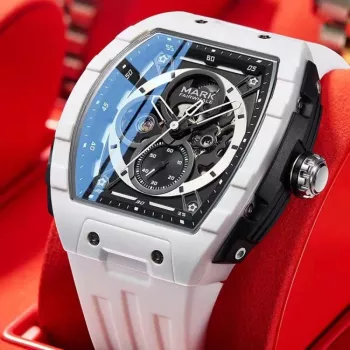
A sport watch with an automatic mechanical movement and a tonneau-shaped dial delivers everyday durability with a distinctive silhouette. The curved case profile tends to hug the wrist differently than a round watch, while the battery-free movement adds a classic, “real watch” feel. Below is a practical breakdown of how the design wears day to day, what to check for comfort, and how to keep an automatic watch running smoothly for work, workouts, and weekends. For more guidance, see Admiring the Aesthetics of the Richard Mille RM 07-01 ….
What Makes This Watch Stand Out
- Tonneau dial shape: A bold, curved profile that often looks more sculpted on-wrist than traditional round cases.
- Automatic mechanical movement: Powered by wrist motion, so there’s no routine battery swap schedule to worry about.
- Rubber strap: Flexible, quick-drying, and typically easier to clean after sweat, rain, or travel days than leather.
- Sport styling: Reads as polished and intentional—easy to pair with casual outfits, athleisure, and streamlined smart-casual looks.
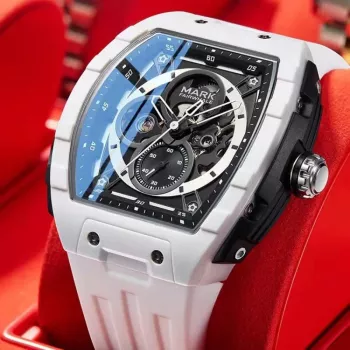
If the goal is a modern sport watch with a more distinctive case shape, the Men’s Sport Automatic Mechanical Tonneau Dial Watch with Rubber Strap is the type of piece that feels different the moment it’s buckled on—more contoured, more assertive, and still built for daily wear. For further reading, see Audaz Predator II – Tonneau Skeleton Automatic Watch.
Automatic Mechanical Movement: Daily Use Basics
- How it’s powered: A rotor winds the mainspring as the watch moves on your wrist. If it sits unworn long enough, it may stop and need to be reset.
- Accuracy expectations: Mechanical watches can vary slightly day to day. More consistent wear and avoiding extreme temperature swings can help timekeeping stay steadier.
- Setting routine: Set the time gently—never force the crown. If there’s a date function, avoid adjusting it during the common date-change “danger zone” (often late evening through early morning) when many movements are mid-switch.
- Desk-life reality: If daily motion is limited, a short manual wind (if supported) or a watch winder can keep it running and reduce resets.
For a quick primer on mechanical terms like “mainspring” and “power reserve,” the Britannica watch overview offers helpful context on how traditional watch movements work.
Tonneau Dial & Case Shape: Fit, Presence, and Style
- Wrist fit: Tonneau designs often feel more contoured. The perceived size can differ from a round watch with the same width because the case is elongated.
- Visual presence: The shape can read “sport-luxe,” especially paired with a clean rubber strap and a minimal outfit.
- Outfit pairing: Works with polos, performance jackets, denim, and minimalist streetwear. For smart-casual, keep accessories simple and let the case shape do the talking.
- Best wrist match: Medium-to-larger wrists often like the broader stance. Smaller wrists may prefer shorter lug-to-lug length (when listed) to avoid overhang.
One easy styling approach: combine a tonneau sport watch with crisp footwear and neutral layers—pieces like Tommy Hilfiger Men’s Blue Leather Shoes keep the overall look clean while the watch adds shape and texture.
Rubber Strap Comfort: What to Check
- Sweat and water handling: Rubber generally resists moisture absorption and is straightforward to wipe down after workouts or humid commutes.
- Skin comfort: Softer, more flexible rubber tends to wear best for long stretches. Overly stiff straps can pinch at the edges when you type or flex your wrist.
- Closure and security: The buckle or clasp should feel stable, with enough adjustment points to get snug without creating pressure hot spots.
- Care routine: Rinse after heavy sweat or salt exposure, then dry fully to preserve the strap’s finish and reduce odor buildup.
Water resistance varies by model and should be treated as a rating, not an invitation. For general guidance on what water-resistance standards mean, see the ISO overview on watch water resistance.
Quick Spec Checklist and Everyday Pros/Cons
| Feature |
Why it matters |
Good fit for |
| Automatic mechanical movement |
Runs from wrist motion; no routine batteries |
Daily wearers, watch enthusiasts |
| Tonneau dial/case shape |
Bold silhouette; can wear larger than round watches |
Sport-luxe style, statement accessories |
| Rubber strap |
Comfortable, water-friendly, easy to clean |
Active routines, travel, warm climates |
| Sport styling |
Balances casual and refined looks |
Work-to-weekend wardrobes |
How to Set, Store, and Maintain an Automatic Watch
When This Style Works Best
- Gym-to-street: Rubber strap plus sport profile makes sense for training sessions followed by casual plans.
- Travel days: Comfortable for long wear, and the movement keeps ticking as long as it stays in rotation. For a streamlined bag, pairing travel essentials with a compact charger like the 45W GaN USB Fast Charger with PD & QC 3.0 for Phones & Tablets helps keep your phone and accessories ready without adding bulk.
- Smart casual: Clean lines work well with neutral colors, simple sneakers or leather shoes, and minimal jewelry.
- Gifting: A tonneau automatic often feels more distinctive than a standard round watch at a similar price point.
FAQ
Does an automatic mechanical watch need a battery?
No. It’s powered by a mainspring that’s wound by wrist motion (and sometimes by manual winding); if it isn’t worn for long enough, it can stop and will need resetting.
Is a rubber strap comfortable for all-day wear?
It can be, especially when the rubber is soft and flexible and the fit is snug without pressure points. Rubber is easy to clean after sweat, though it may feel less breathable than fabric straps in very hot weather.
How long will an automatic watch run if it isn’t worn?
It depends on the movement’s power reserve, which varies by model. Many automatics run for a day or more off-wrist before stopping; if the product page lists a power reserve, that number is the best guide.
Recommended for you







Leave a comment