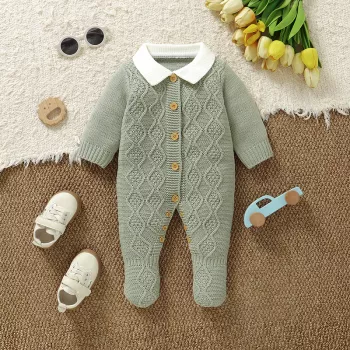
A soft knit romper that covers from shoulders to toes makes everyday dressing simpler—especially for cooler rooms, naps, stroller walks, and overnight sleep. This unisex, footed, long-sleeve style is designed for babies 0–9 months, offering cozy warmth with a streamlined one-piece fit that reduces layers, keeps socks in place, and helps little ones stay comfortable during play and rest.
When a baby outfit works across daytime cuddles, quick errands, and sleepy evenings, it earns a permanent spot in the drawer. A footed, long-sleeve knit romper keeps coverage consistent, so parents spend less time redoing socks and more time enjoying the moment.
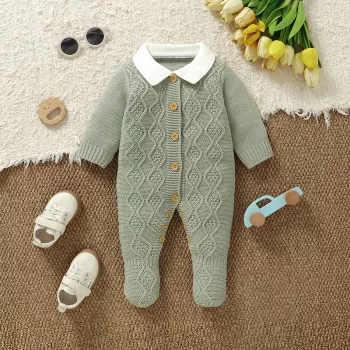
If you’re looking for a simple, all-in-one option, shop the Knit Baby Romper with Footed Long Sleeves – Unisex 0–9M while it’s in stock.
Full-coverage knit can be especially handy when temperatures shift throughout the day. The goal is steady comfort—warm enough to relax, not so warm that baby gets sweaty.
For safe sleep recommendations, review guidance from the American Academy of Pediatrics and the CDC, including tips on keeping the sleep space clear and preventing overheating.
Fit matters most at the shoulders, torso, and footed area. A knit romper should feel gently snug without pulling anywhere—babies need room to kick, curl, and stretch comfortably.
| Age Range (Guide) | What to Check | Fit Goal |
|---|---|---|
| 0–3M | Neck opening and shoulder ease | Comfortable without bunching at the chin |
| 3–6M | Torso length and diaper room | No pulling at the crotch; easy leg movement |
| 6–9M | Sleeve length and foot length | Wrists covered; toes not compressed |
A one-piece outfit can be the easiest part of your routine—especially when you plan ahead for temperature changes and quick diaper access.
For parents building a practical “go bag,” it can help to pair baby basics with a couple of everyday essentials—like a compact, travel-friendly charger such as the 45W GaN USB Fast Charger with PD & QC 3.0 for Phones & Tablets for phones, white-noise apps, or navigation on the go.
Knit pieces stay softer longer when they’re washed gently and dried with care. A few small habits can help reduce pilling, stretching, and shrinkage—especially around cuffs and footed areas.
For gift bundles that feel “complete,” some shoppers add a small home essential—like the Premium Stainless Steel Food Tongs – Multipurpose Kitchen & BBQ Utensil—since new parents often appreciate anything that makes quick meals and prep easier.
Many families use footed one-pieces for sleep as long as baby is dressed in breathable layers and not overheating. Follow safe sleep guidance, keep the sleep space clear, and check warmth at the chest or back of the neck rather than hands and feet.
Sizing up can be helpful if your baby is between sizes or if you plan to layer a bodysuit underneath. Make sure the shoulders and crotch aren’t pulled tight, and confirm there’s comfortable room in the footed area so toes aren’t compressed.
Wash with a gentle, baby-appropriate detergent in cool or warm water, then air-dry or tumble dry low to protect the knit. Avoid harsh bleach and high heat, and consider turning the romper inside out to help preserve the texture.








Leave a comment