RF Facial Massage Roller: Microcurrent Toning, Skin Tightening, and V-Line Sculpting at Home
A multi-technology facial roller can support a firmer-looking, more lifted appearance by pairing gentle heat-style radio frequency (RF), EMS microcurrent stimulation, and massage. Used consistently, it can help refine the look of the jawline, reduce the look of puffiness, and make daily skincare feel more structured. Below is a clear breakdown of what each function does, who it’s best for, how to use it in a simple 5–10 minute routine, and how to keep results looking steady over time.
What This Facial Roller Device Is Designed to Do
- Targets the look of slackness along the jawline and cheeks to support a cleaner “V-line” profile.
- Helps temporarily reduce the appearance of puffiness through massage and lymphatic-style sweeping motions.
- Supports a smoother, more refined look to skin texture by encouraging consistent at-home care.
- Provides a spa-like facial massage experience that can fit into a 5–10 minute routine.
How RF, EMS Microcurrent, and Massage Work Together
These devices typically aim to combine three helpful elements—controlled warmth, gentle muscle stimulation, and mechanical rolling—so you can treat the same areas with a more “complete” approach than massage alone.
- RF (radio frequency): often associated with a gentle warming sensation that can support a tighter-looking feel and a more refreshed appearance over time.
- EMS/microcurrent: low-level electrical stimulation intended to encourage a toned look by activating facial muscles during treatment.
- Mechanical rolling/massage: helps distribute skincare, improves glide, and supports de-puffing when used with light pressure and upward strokes.
- Consistency matters: best results tend to come from combining modes regularly rather than doing overly long single sessions.
Mode-by-Mode Overview
| Function |
What it may help with |
Best areas |
Typical feel |
| RF |
Firmer-looking skin, refreshed appearance |
Cheeks, jawline, lower face |
Gentle warmth |
| EMS/Microcurrent |
More lifted/toned look, facial muscle engagement |
Jawline, cheeks (avoid throat/eyes) |
Light tingling or tapping |
| Massage/Rolling |
De-puffing, relaxation, better skincare glide |
Cheeks, jaw, temples |
Soothing pressure |
Who It’s Best For (and When to Skip It)
- Good fit for: visible facial puffiness, softer jawline definition, early signs of sagging, and anyone who wants a consistent at-home toning ritual.
- Skin types: generally compatible with most types when used with proper slip (serum/gel) and low intensity at first.
- Skip or get medical clearance if: pregnant, you have a pacemaker/implanted medical device, epilepsy, active cancer treatment, or severe cardiovascular conditions.
- Avoid use on: broken skin, inflamed acne cysts, fresh injections, active rashes, sunburn, or immediately after aggressive peels/laser treatments.
For general daily skincare best practices—especially around irritation, barrier support, and sun protection—see the American Academy of Dermatology Association guidance on skin care basics.
How to Use It for a V-Line Routine (5–10 Minutes)
- Prep: Cleanse thoroughly, then apply a conductive gel or hydrating serum for smooth glide and more even sensation.
- Start low: Use the lowest intensity for the first week to learn your comfort level and reduce the chance of overstimulation.
- Jawline sculpting: Roll from the chin toward the ear in slow, upward passes. Keep pressure light and consistent (think “glide,” not “dig”).
- Cheeks: Sweep from the side of the nose outward toward the ear, then from mid-cheek up toward the temples to support a lifted look.
- Neck caution: Avoid the front of the neck/throat area. If neck use is included in manufacturer guidance, focus on the sides only and keep sessions brief.
- Finish: Apply moisturizer. In the morning, follow with SPF since steady skincare habits help maintain a smoother-looking result.
If you’d like a deeper overview of what microcurrent facials are and how they’re commonly described, Cleveland Clinic provides a helpful reference: Microcurrent facial overview.
Tips for Comfort, Sensation, and Better Consistency
- Use enough product for slip: tugging can irritate skin and makes treatments feel harsher than they should.
- If microcurrent feels too sharp: lower intensity, add more conductive gel, and keep the roller moving rather than holding it in one spot.
- Short but frequent sessions: steady routines often look more natural than sporadic “marathon” treatments.
- Track subtle changes: take weekly progress photos in the same lighting to notice changes in puffiness and definition.
Safety Notes and Common Mistakes
Cleaning, Storage, and Device Care
What to Look For in a Facial Tightening Device
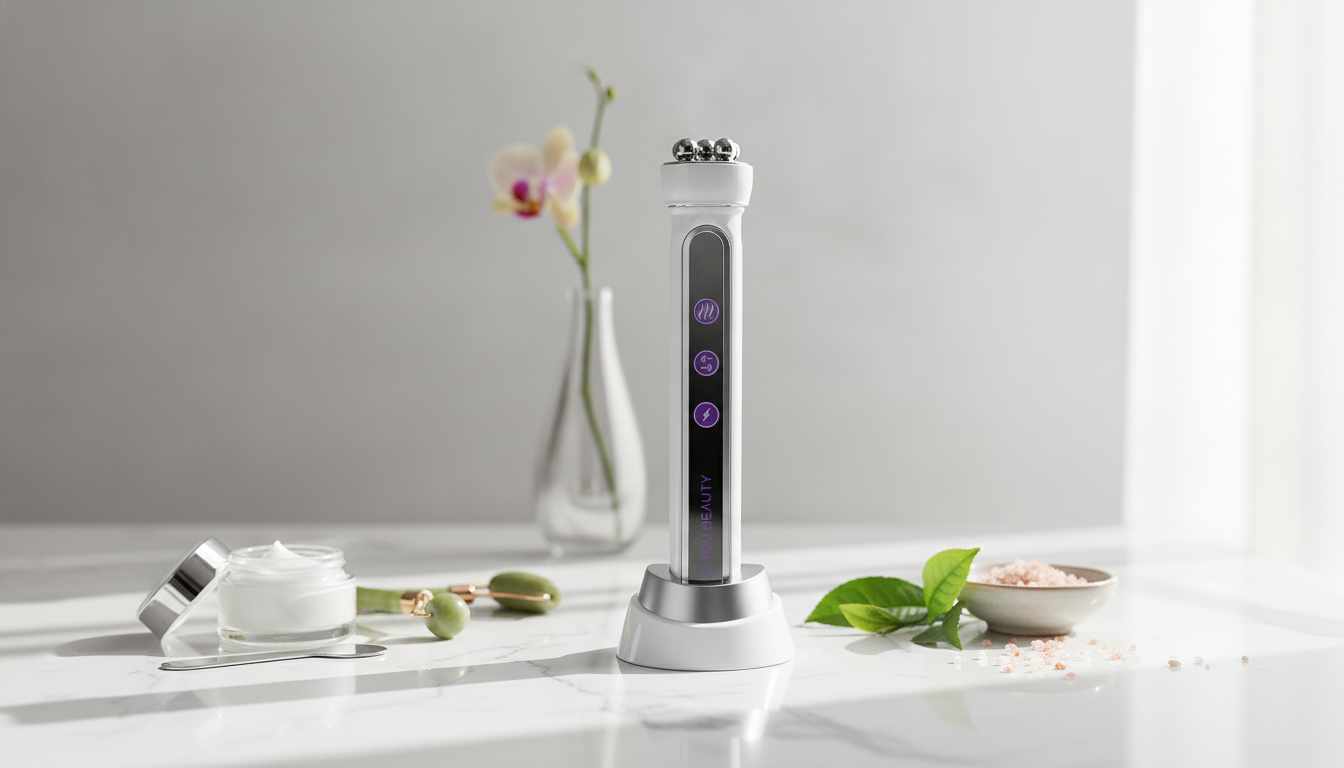
RF Facial Massage Roller – EMS Microcurrent Skin Tightening & V-Line Beauty Device is designed as an at-home facial tool that combines RF-style warming, EMS microcurrent stimulation, and rolling massage to support a firmer-looking, more sculpted appearance—especially across the jawline, cheeks, and lower face.
For convenient charging across multiple everyday devices (and a tidy countertop setup), pair your skincare tools with the 45W GaN USB Fast Charger with PD & QC 3.0 for Phones & Tablets.
FAQ
How often can an RF and microcurrent facial roller be used?
Many people use it several times per week with short sessions, then adjust based on comfort and skin response. Start at low intensity for the first week and follow the device’s included usage guidance for your specific model.
Do microcurrent and EMS feel painful?
Most users describe a mild tingling, tapping, or buzzing sensation rather than pain. Sharpness usually comes from too little conductive gel, intensity that’s too high, or holding the device still—adding more slip, lowering intensity, and keeping it moving can help.
Can it be used with vitamin C, retinol, or acids?
During the session, gentle hydrating products (serum/gel) typically work best for comfort and glide. If your skin is sensitive, separate strong actives (retinol or exfoliating acids) from device nights, and prioritize sunscreen in the morning.
Recommended for you








Leave a comment