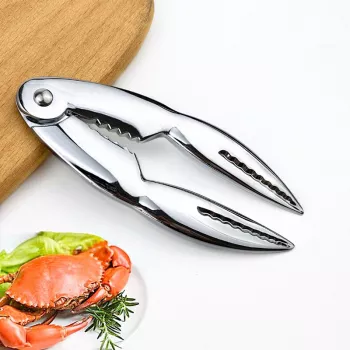
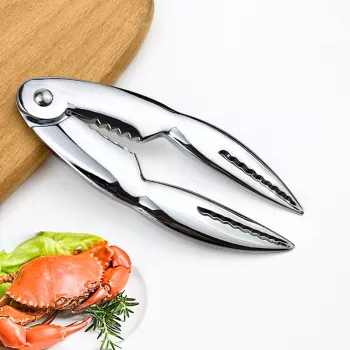
Cracking lobster claws and crab legs should feel controlled and clean, not like a wrestling match that sends shell shards across the table. A zinc alloy nutcracker is built to apply strong, steady pressure so shells fracture where intended—helping protect the meat inside and making seafood nights less messy and more enjoyable.
What This Nutcracker Is Designed to Do
This style of shell cracker focuses on leverage: you position the shell in the jaws, then squeeze to concentrate force on the shell wall instead of crushing everything in the middle.
- Applies focused leverage to hard shells (lobster claws/knuckles, crab legs/claws) to break them with fewer slips
- Helps reduce crushed meat by controlling where the shell gives way
- Works for other tough foods as needed (some nuts, thick shells), while being optimized for seafood tasks
- A sturdy zinc alloy build aims to balance strength with a comfortable handheld size
For many home cooks, the biggest difference is consistency: instead of improvising with a knife handle or a heavy spoon, you get repeatable pressure and a more predictable crack line.
Key Advantages of Zinc Alloy for Shell-Cracking
Zinc alloy is commonly used for handheld kitchen tools that need stiffness and durability. When you’re dealing with thick lobster claws, that material choice matters.
- Strength and rigidity that support higher pressure without flexing as easily as lighter materials
- Weight that can make the tool feel stable in hand, especially when cracking thick claws
- Durable surface that’s generally easy to rinse and wipe down after seafood prep
- Practical choice for frequent seafood meals where a lightweight, flimsy cracker can struggle
A rigid tool helps you “read” the shell as it starts to give—so you can stop right after the first fracture instead of powering through and shredding the meat.
How to Crack Lobster and Crab Shells with Less Mess
A clean crack is mostly about placement and patience. The goal is to fracture the shell, then open it, rather than pulverize it.
- Start with positioning: place the claw or leg segment into the jaws so pressure lands on the thickest shell area rather than directly on exposed meat
- Use gradual pressure: squeeze in controlled increments until the shell fractures, then stop—repeat as needed instead of over-crushing
- Rotate and re-seat: for large claws, make one crack, rotate slightly, and crack again to create a clean “open line”
- Contain fragments: crack over a plate or shallow bowl to catch shell pieces and juices
- Finish with a pick or small fork: when needed to lift meat out without shredding it
If you’re serving a seafood boil, keeping cracking “over the plate” makes a noticeable difference—especially for crab legs, where thin shell sections can snap and scatter if squeezed too aggressively.
Best Use Cases and When It Helps Most
This tool earns its spot on the table when shells are thick, curved, and hard to grip.
- Lobster claws and knuckles: strong leverage is especially useful for thicker, curved shell sections
- Crab legs and claws: helps create clean breaks in leg segments for easy meat access
- Seafood boils and gatherings: faster cracking means less waiting and fewer improvised tools at the table
- Home cooks who want consistent results: avoids resorting to knives or heavy implements that can slip
For food safety basics—like keeping seafood at safe temperatures and preventing cross-contamination—reference guidance from the USDA Food Safety and Inspection Service and the FDA.
Comfort, Grip, and Handling Tips
Even a strong cracker works best when you let the tool do the work and keep everything aligned.
- Aim for a stable hold: keep the tool aligned with the shell to prevent twisting during the squeeze
- Avoid hand strain: use two-handed pressure for very thick claws rather than forcing a single hard squeeze
- Protect the table: crack over a plate and keep damp paper towels nearby for quick cleanup
- If the shell is exceptionally thick: make multiple smaller cracks rather than one aggressive crush
A good habit: once you hear/feel the first “give,” stop squeezing. That first fracture is the moment that preserves the most meat.
Cleaning and Care After Seafood Use
Seafood juices and salt can cling around hinges and creases, so quick cleanup helps keep the tool feeling smooth over time.
- Rinse promptly after use to remove salt, juices, and small shell particles
- Wash with warm water and mild dish soap; use a small brush for crevices near the joint
- Dry thoroughly to help preserve the finish and reduce water spots
- Store in a dry drawer or utensil crock; avoid leaving it soaking for long periods
Quick Specs and Buying Snapshot
Helpful Pairings for Seafood Nights
Common Cracking Problems and Simple Fixes
FAQ
Can this crack both lobster claws and crab legs?
Yes. Position lobster claws or crab leg segments so the jaws press into the thick shell area, then squeeze gradually and re-seat as needed for different shapes and thicknesses.
How do you keep shells from shattering and getting into the meat?
Crack in stages: squeeze just until the first fracture, stop, rotate the shell slightly, and crack again. Working over a plate or shallow bowl helps catch fragments and keeps the meat cleaner.
How should it be cleaned after a seafood boil?
Rinse it promptly, then wash with warm water and mild dish soap, using a small brush near the hinge if needed. Dry thoroughly before storing so the finish stays in good shape.
Recommended for you







Leave a comment