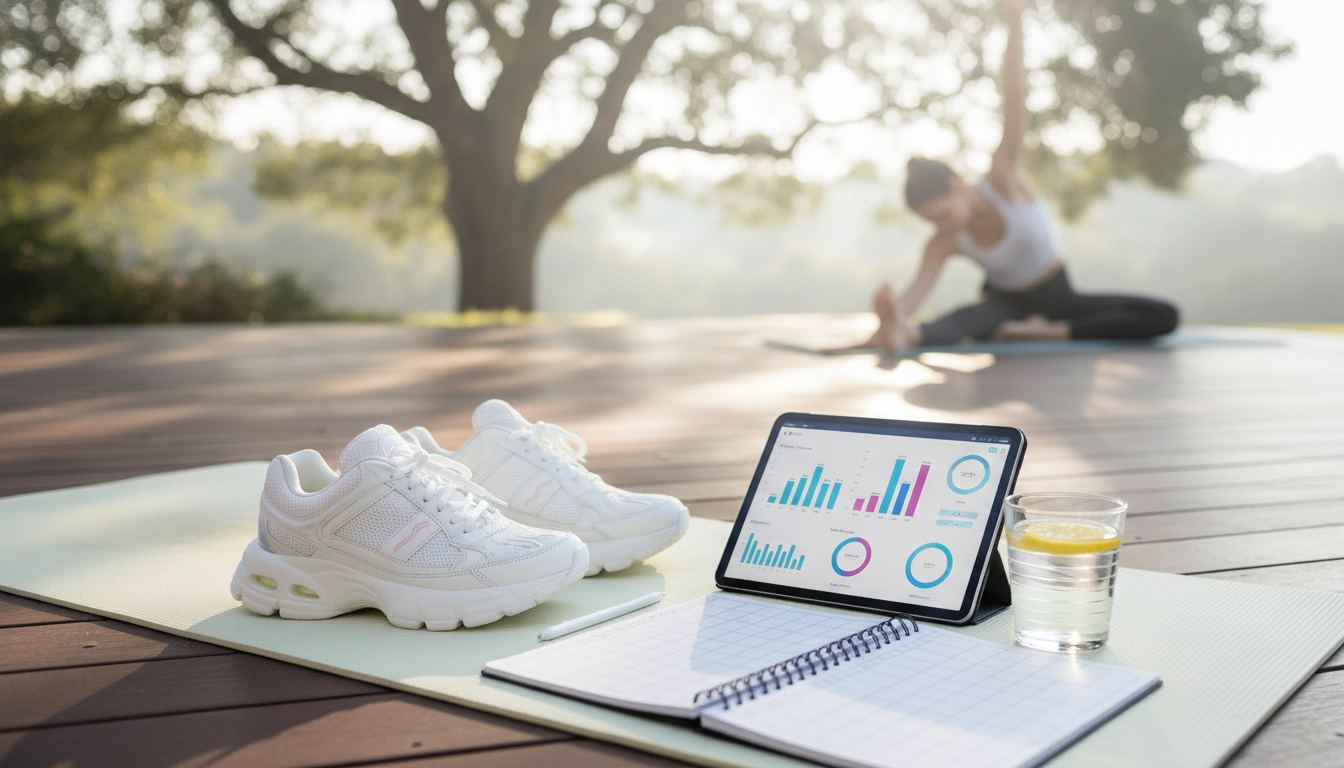
A simple checklist can turn scattered motivation into repeatable action. The AI-Powered Fitness Checklist digital download is designed to help structure workouts, nutrition basics, recovery, and weekly reviews—so weight loss, muscle gain, and wellness goals stay measurable and realistic. Instead of relying on “feeling motivated,” you get a plan you can follow on busy weeks, adjust when progress stalls, and repeat until consistency becomes normal.
Good training plans fail for surprisingly small reasons: unclear priorities, inconsistent recovery, and no simple way to course-correct. This checklist tightens those gaps by organizing four key areas.
It’s especially helpful if you’re trying to match general activity recommendations—like those from the Physical Activity Guidelines for Americans and the WHO physical activity guidelines—to your real schedule, not an idealized one.
Setup is quick because you only decide what matters first. The goal is momentum: a plan small enough to start today, but structured enough to measure next week.
| Step | What to decide | Example default |
|---|---|---|
| 1 | Goal focus | Fat loss + strength maintenance |
| 2 | Training days | Mon/Wed/Fri strength; Tue/Thu walk |
| 3 | Daily non-negotiables | 8k steps, 2L water, 7+ hours sleep |
| 4 | Progress metric | Average weekly weight + waist measurement |
| 5 | Weekly review time | Sunday 15 minutes |
A checklist works best when it supports your goal instead of trying to do everything at once. Use it to create a repeatable weekly rhythm.
| Day | Main focus | Checklist highlights |
|---|---|---|
| Mon | Strength A | Warm-up + compound lift; protein at each meal; 10-min walk |
| Tue | Low-intensity cardio | Steps goal; mobility; early bedtime |
| Wed | Strength B | Track sets/reps; hydration; prep tomorrow’s meals |
| Thu | Recovery | Light movement; stretch; stress downshift routine |
| Fri | Strength C | Progression target; post-workout meal; plan weekend activity |
| Sat | Active lifestyle | Hike/walk; optional core; consistent meal timing |
| Sun | Review + reset | Measure/reflect; update next week; grocery list |
The fastest way to get consistent is to stop “restarting” and start adjusting. A short weekly check-in keeps the plan honest without making it complicated.
For nutrition basics, aim for repeatable habits (like adequate protein and hydration) that support training. For deeper performance-focused guidance, the Academy of Nutrition and Dietetics position paper on nutrition and athletic performance is a strong evidence-based reference.
Consistency is usually a logistics problem, not a motivation problem. Use the checklist in the format that removes the most friction.
If you track workouts on a phone or tablet, keeping devices reliably powered helps you follow through on logging and reminders. The 45W fast charger for keeping workout tracking devices powered is a practical add-on for a gym bag, desk, or travel kit.
Meal prep can be part of the same “make it easy” system. Simple tools—like premium stainless steel food tongs—can speed up portioning protein and veggies so nutrition targets are less of a daily decision.
To get started, grab the AI-Powered Fitness Checklist digital download and set your baseline for the next two weeks. The goal isn’t perfection; it’s a plan you can repeat.
It works for both. Beginners benefit from the structure and habit focus, while experienced lifters can plug in their current program and use the weekly review prompts to adjust volume, intensity, and recovery.
Yes, but it helps to treat body recomposition as a “one primary focus at a time” plan. Prioritize strength training, protein, and sleep, then use weekly reviews to fine-tune calories slightly based on your trend data and recovery.
No. You can print it or use it digitally in a notes app, and the core tracking can be done with a pen and a simple scale or tape measure. Optional tools like calendar reminders or a basic step tracker can make consistency easier, but they aren’t required.











Leave a comment